|
|
|
|
|
|
|
|
|
Dear
Friend,
We’ve just finished our annual meetings where team members from each program come together to plan and budget for the year ahead. This year’s conversations have been hard. We’ve had to make some tough choices in response to the devastating cuts in global health funding. Still, thanks to our remarkably committed and resourceful team, I came away feeling energized and hopeful.
We’re going to have to make some changes, like seeing more patients in community clinics instead of visiting them in their homes, but we will still provide the same high-quality care. As always, we will continually be evaluating how to do more and better. You’ll see lots of evidence of this below - read on for the latest on how our team continues to learn, grow, and collaborate to improve health in rural Guatemala.
Recent headlines about deporting unaccompanied Guatemalan children from the US underscore the importance of the work we’re doing together. We’re building thriving communities with access to decent health care and job opportunities so that families can realize promising futures here in Guatemala instead of being driven to leave out of desperation.
Thank you so much for being a part of this solution.
With gratitude,
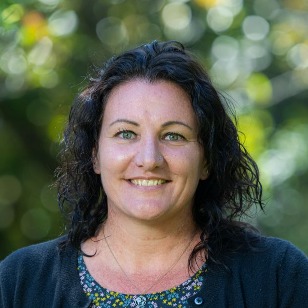
Anne Kraemer, CEO
|
|
|
|
|
|
|
|
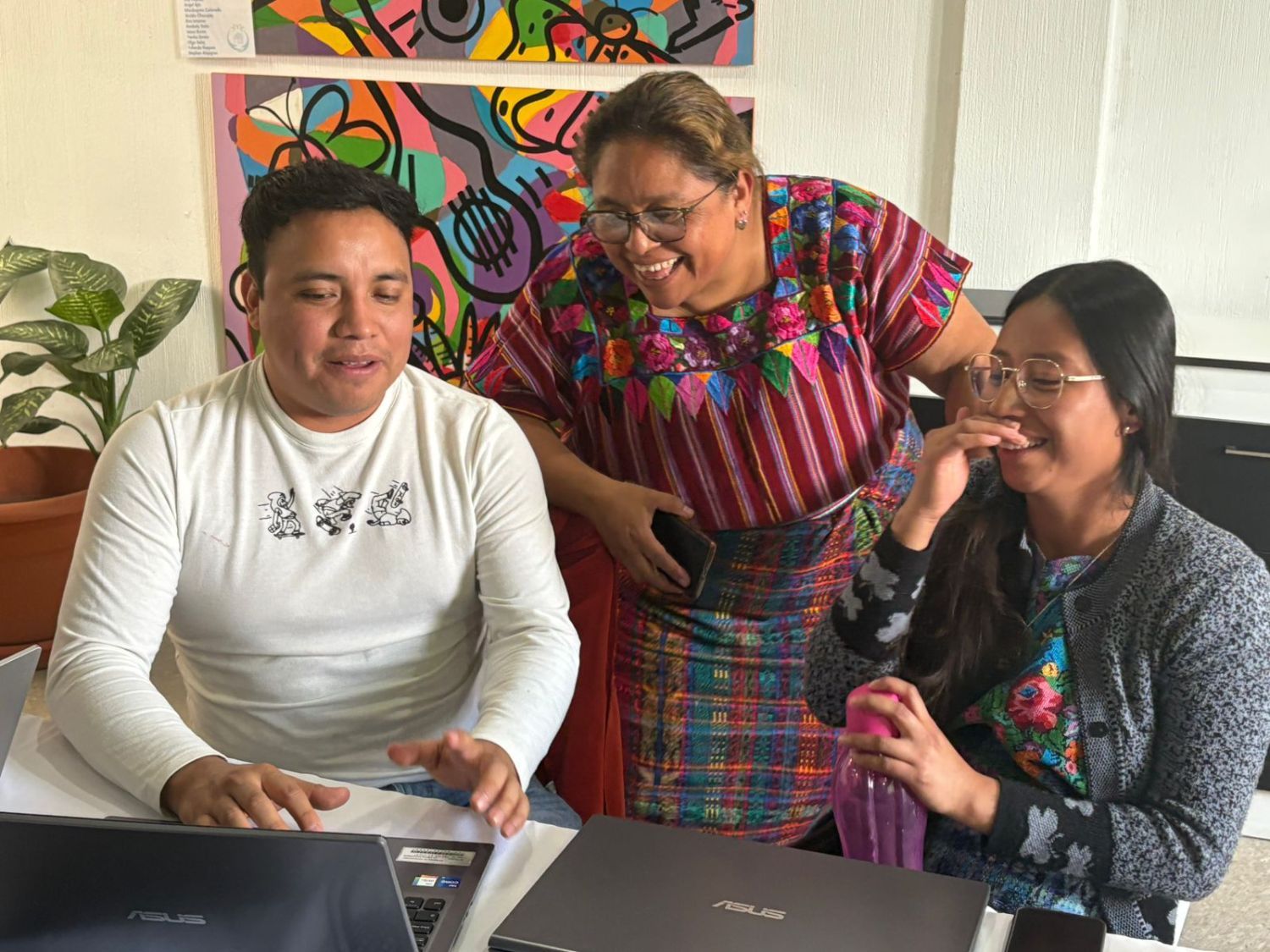
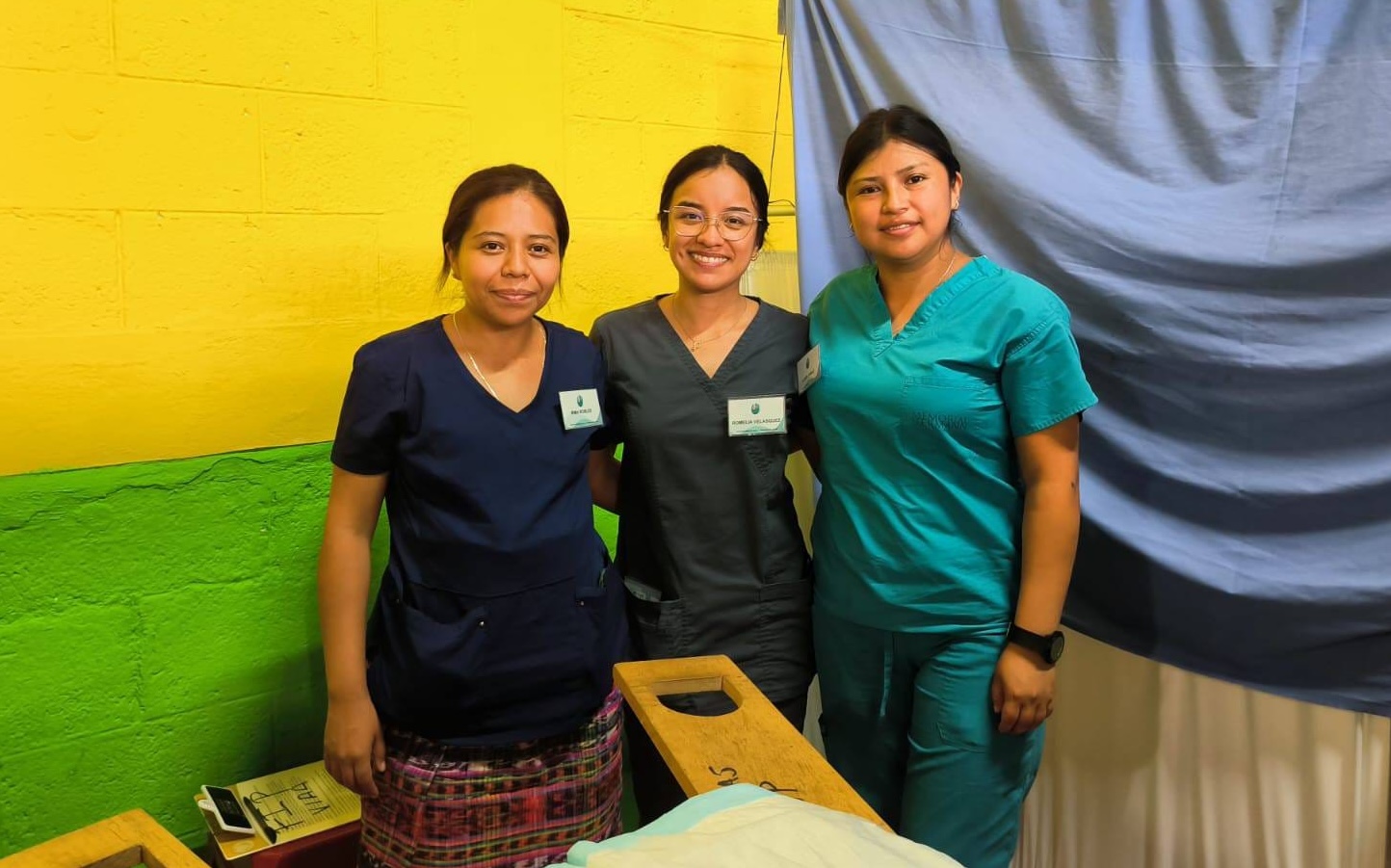 EXPANDING OUR HORIZONS Pictured above are team members Irma (left), who manages our clinic in the Boca Costa region, and Dr. Romelia (center), a physician with our Health for Life Program, on a recent trip to Petén, Guatemala for a week-long training. The workshop, organized by partners Faith in Practice with the support of a grant from Rotary International, focused on Visual Inspection with Acetic Acid (VIA), a diagnostic procedure performed following a positive HPV cervical cancer screening result to identify precancerous changes and determine if treatment is necessary. This is key knowledge in the fight against cervical cancer, which remains a leading cause of cancer deaths among women in Guatemala even though it can be successfully treated if detected early. It was not only Irma’s first flight, but also one of the few times she has ventured from her community aside from traveling to Tecpán to attend our staff meetings. Despite humble beginnings, Irma managed with great effort to finish middle and high school and begin a career in healthcare. She joined Maya Health in 2015 and is now completing her nursing degree. As a first-time flyer, she had a few jitters, but she was mostly grateful for the opportunity, recalling: “I was nervous, but tried to live the experience with joy because I don't know when I'll live something like that again." |
|
|
|
|
|
|
|
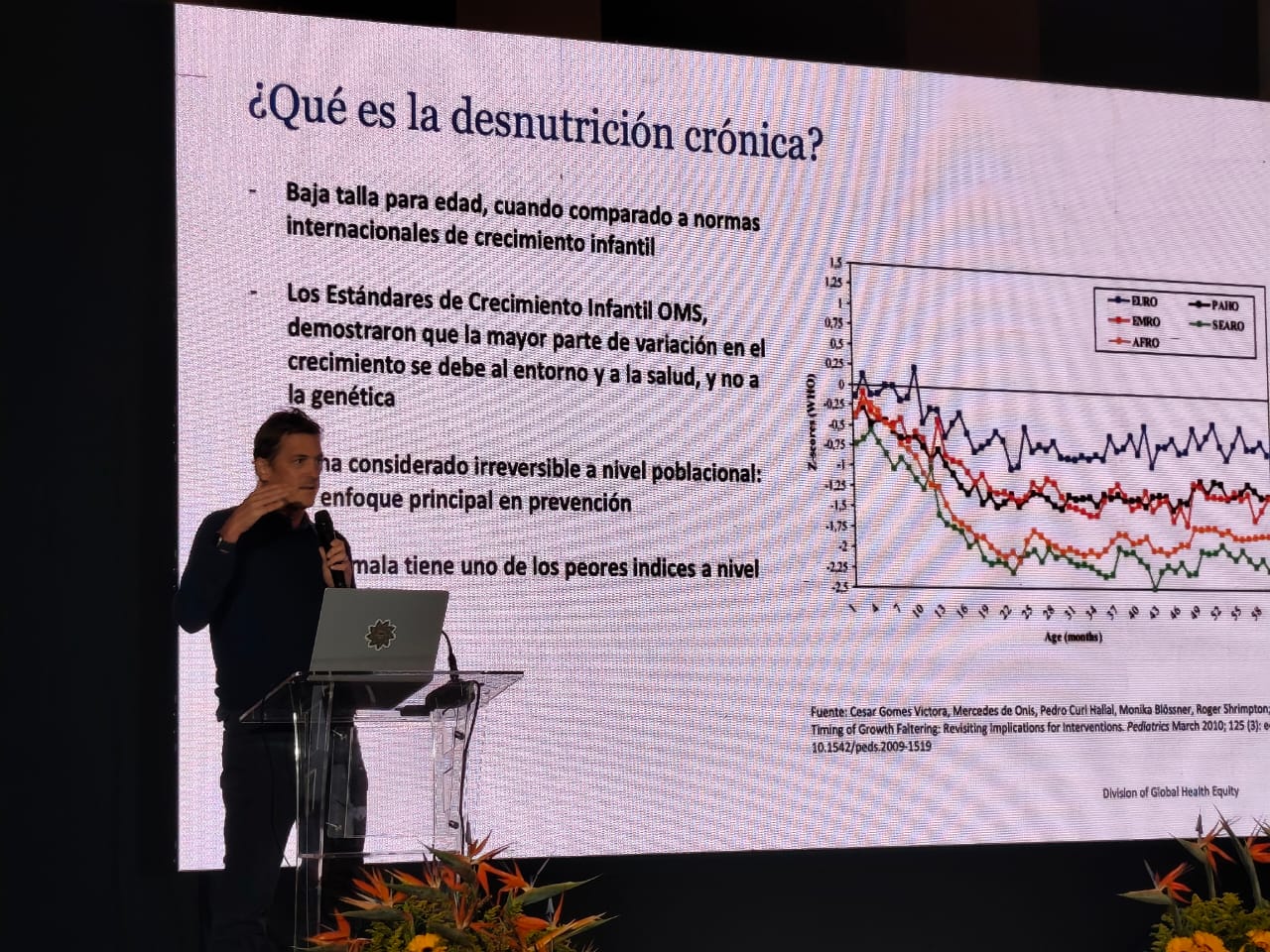
SHARING OUR WORK One of the ways we’re building better health across Guatemala is by sharing what we learn through practice and research with partners and policymakers. In August, Maya Health Chief Science and Innovation Officer Dr. Peter Rohloff shared insights on chronic malnutrition and the advances that research is bringing to improve child health in Guatemala at the National Congress of Pediatrics. Fighting chronic malnutrition not only impacts children’s growth and development but also the futures of entire communities. Research and collaboration are essential for driving solutions that can break this cycle and create lasting change. |
|
|
|
|
|
Several members of our Research Team had the opportunity to present at the eighth biennial conference of the Guatemala Scholars Network in Antigua. They participated in two panels. One panel focused on co-designing portable ultrasound devices and mobile applications to help midwives reduce maternal and neonatal mortality. The other panel explored best practices and lessons learned through the implementation of the International Guide for Child Development (GIMDI) in rural Guatemala, along with development of an application to provide caregivers with personalized recommendations to support their children’s development. Both presentations highlighted the importance of generating knowledge with and for Indigenous communities. Maya Health Dr. Esteban Castro, who was among the participants in the maternal and infant health presentation, reflected: “It was an enriching and inspiring conversation that highlighted the power of teamwork and innovation. I'm grateful to be part of an effort that is making a real difference in reducing maternal and neonatal mortality in the communities that need it most.” CEO Anne Kraemer joined Population Connection for a Global Partner Site Visit. Population Connection Senior Analyst Hannah Evans shared impressions from her recent visit to Guatemala. “It was really inspiring to get to meet with the members of Maya Health Alliance," she said, "and to just see and experience how passionate and driven they are, and how much they believe in the work being done.” |
|
|
|
|
|
|
|
|
|
MAXIMIZING YOUR IMPACT: #HALFMYDAF Do you have a Donor Advised Fund? Join #HalfMyDAF and make your impact go further! If you commit to giving half the money in your DAF by October 10 at 9 AM PT, the grants that you make to us or other nonprofits will be eligible for a match from the #HalfMyDAF $2.25 million matching pool. Over $251 billion is sitting in DAFs. That’s why philanthropists Jennifer & David Risher started #HalfMyDAF; to encourage people to put the money they have set aside for donations to work now, rather than letting it sit in their DAF accounts. After making a grant, complete this #HalfMyDAF commitment form and attach the DAF grant confirmation. You will also need our Tax ID: EIN 20-8741625. This is an amazing opportunity! |
|
PS: Want to know more about DAFs and other tax-smart giving opportunities? Check out this overview by our Board Treasurer David Sterman! |
|
|
|
|
|
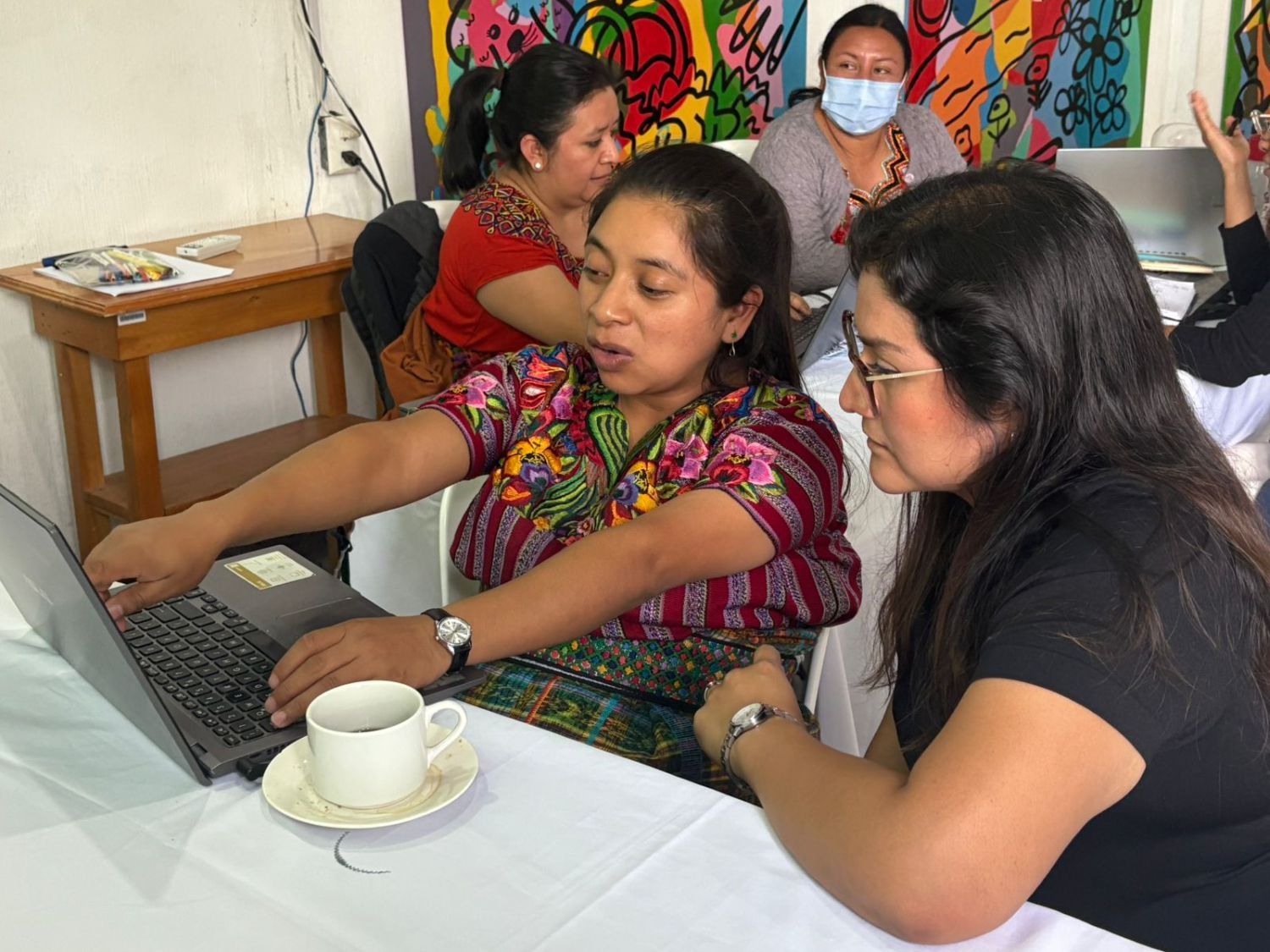
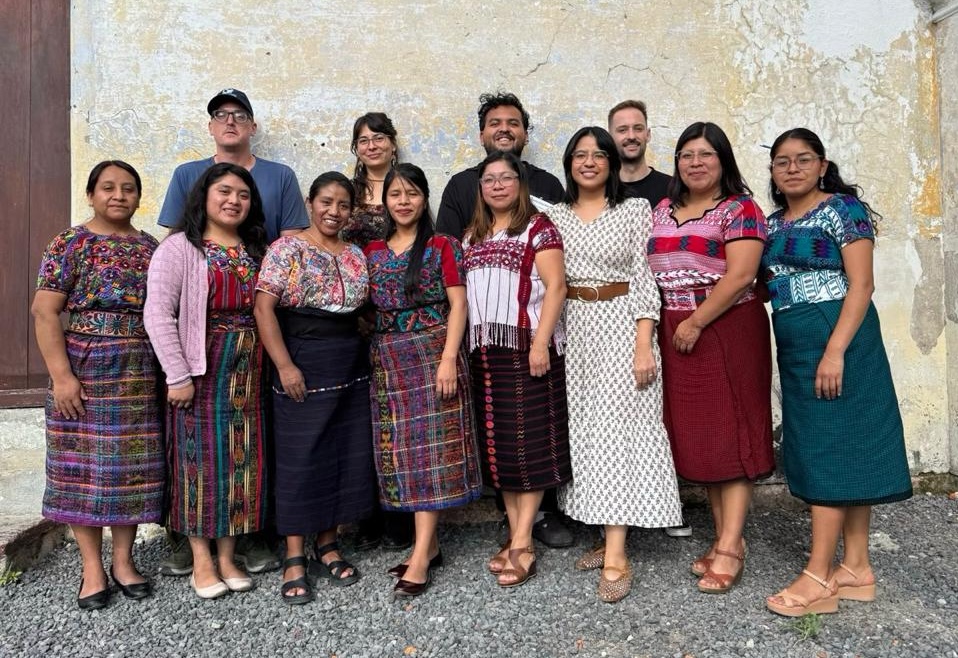
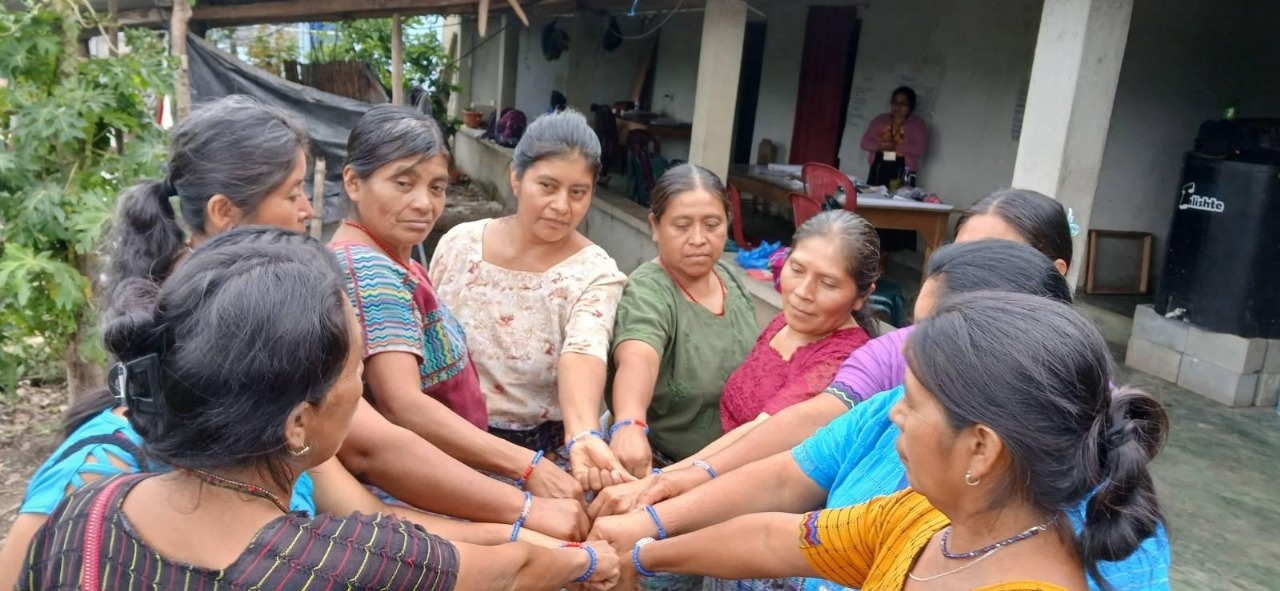 CONNECTING WITH COMMUNITY MEMBERS Pictured here are participants in one of our recent community workshops offered through our Women’s Health program. The six-session workshops cover essential topics that are not always discussed at home or in school, including reproductive health, family planning, cervical cancer prevention, domestic violence, self-care, and mental health. We often offer workshops in collaboration with partners like fair trade organization Mayan Hands, who help expand our reach and impact. These workshops allow us to connect closely with participating women, strengthen their knowledge, and empower them to make informed decisions about their health and well-being. At the end of each cycle, participants can voluntarily access life-saving Pap smear or HPV screening tests for cervical cancer. |
|
|
|
|
|
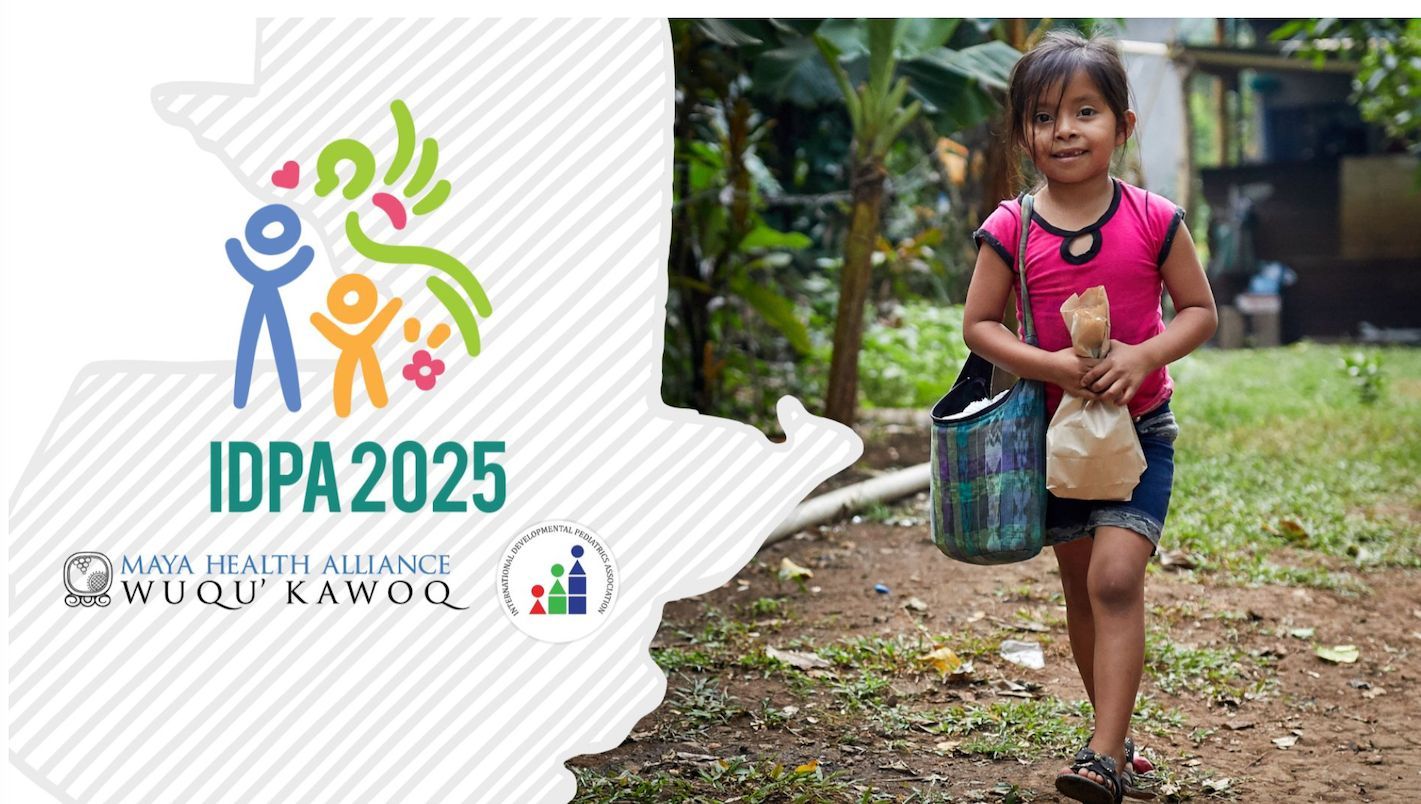
JOIN THE IDPA CONFERENCE IN GUATEMALA CITY! We are proud to be hosting the upcoming 6th International Developmental Pediatrics Association (IDPA) Congress 2025, which takes place December 1-4 in Guatemala City, marking the first Congress in Latin America! This year’s theme is Equity and Opportunities for All Children, with a special focus on caring for children from Indigenous and minority communities. |
|
|
|
|
|
RECENT PUBLICATIONS Our research team continues to explore a range of important topics around health and wellbeing in rural Guatemala and beyond. We're proud to share these recently published studies:
- Ethical Considerations for Research in Chronic Kidney Disease of Unknown Etiology: Reflections from an Ethics Panel at the 4th International Workshop on CKDu. This article explores ethical considerations in research on CKDu, a type of chronic kidney disease that primarily affects agricultural workers. The article reflects a panel discussion at the 4th International Workshop on CKDu in Antigua, Guatemala that included Maya Health Chief Science and Innovation Officer Dr. Peter Rohloff.
- Women from Rural Guatemala Who Speak Mayan Languages Have Reduced Odds of Diabetes, Hypertension & Obesity This study analyzed the health of 10,876 women in central and western Guatemala and found that those who speak Mayan languages have reduced chances of diabetes, hypertension and obesity. While the study does not necessarily show that speaking a Mayan language leads to better health, it controls for a number of other factors, including age, ethnicity, poverty level, setting, and income source, and finds there is a positive association. The authors suggest that “The reduced odds of diabetes, hypertension and obesity among women who prefer to speak Mayan languages might be explained by cultural and lifestyle factors that are inextricably tied to Mayan language use.”
|
|
|
|
|
|
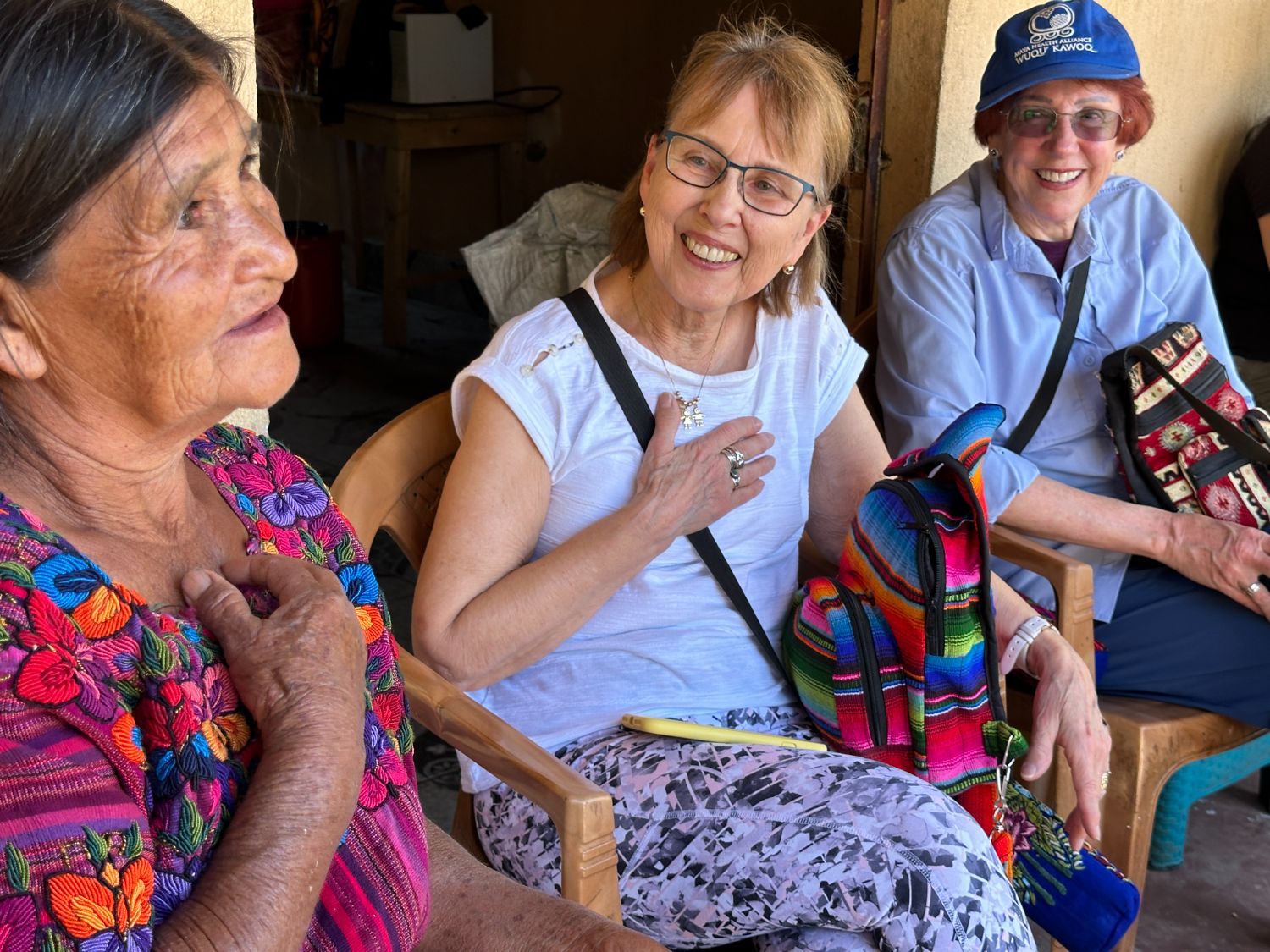
JOIN OUR INSIGHT TRIP You are invited to our next Insight Trip from October 19-23, 2025! Participants meet the team at our Tecpán headquarters, visit patients’ homes in the rural communities where we work, and make a stop at stunning Lake Atitlán. “I was privileged to participate in one of the Maya Health Alliance Insight Trips. The many acts of kindness I experienced were a reflection of the generous spirit, compassion and passion that guides them in everything they do. Their work is truly impressive. I feel blessed that I was able to witness the healthcare work provided by the amazing Maya Health Alliance team.” – Spring 2024 Insight Trip Participant |
|
|
|
|
|
|
|
|
|
|
|
HELP US GET OUT THE WORD! We love to share our work so that potential supporters will join our community. Help us do that by providing a review on GreatNonProfits. To get started, click here! |
|
|
|
|
|
|
|
|
|
|
|
|
|
|
|
|
|
|
|
|
|
|
|
|
|
|
|
Thank you so much for your ongoing support! |
|
|
|
|
|
|
|
|
|
Maya Health Alliance | Wuqu' Kawoq
PO Box 860943 | Minneapolis, Minnesota 55486-0943
513-393-9878 | [email protected] |
|
|
|
|
|
|
|
|
|
|
|