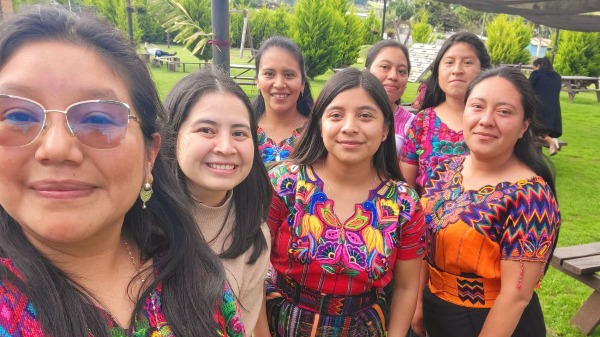
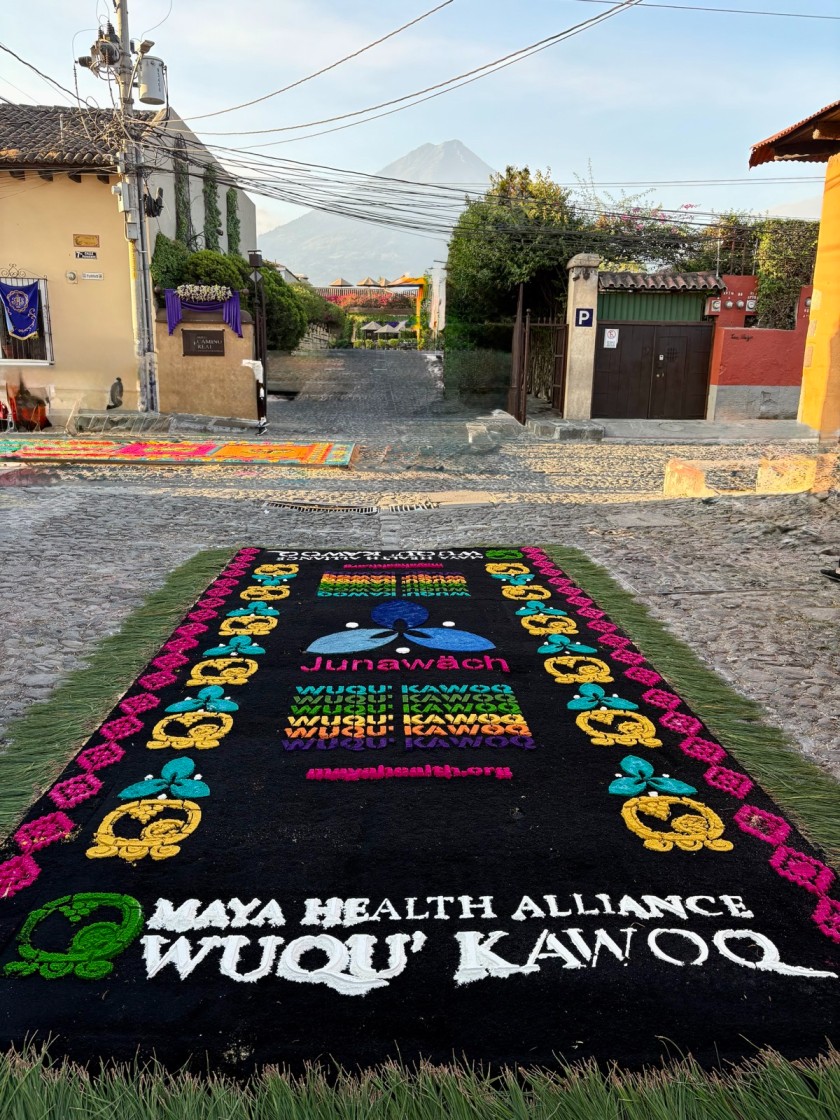
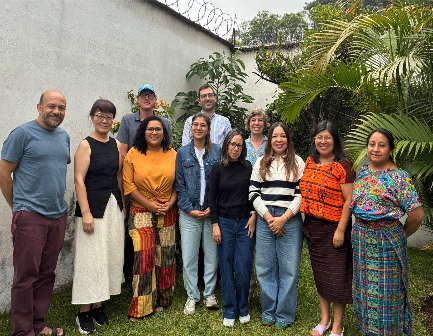
| | | | | Dear Friend, We have many exciting updates to share, but first I’d like to offer a brief update on Guatemala’s political and economic landscape over the past few months. Since taking office nearly three years ago, President Bernardo Arévalo has faced strong resistance from entrenched political and economic elites, struggling with institutional opposition, particularly from Attorney General Consuelo Porras, who has been accused of protecting corruption and weakening democratic institutions. Arevalo’s party, Movimiento Semilla, holds only a small number of seats in Congress, making reforms difficult, but despite these challenges, some anti-corruption legislation has begun to advance in Congress. Still, many Guatemalans are impatient for more improvement. In March, authorities reported that rising fuel prices in the United States, which affect migrants and the remittances they send home to their families in Guatemala, may generate temporary economic effects in Guatemala. Many people are frustrated by rising prices, worsening traffic across the country, as well as ongoing challenges related to water infrastructure, limited urban planning, and violence. On a brighter note, people across the country enjoyed Semana Santa (Holy Week) celebrations. As Guatemala remains in the dry season, many communities prepared for religious processions and trips to the beach or lakes. One of the Lenten period traditions in Antigua Guatemala, where one of our offices is located, is to create colorful “carpets” made of sawdust and flowers in the streets for the processions. This year, our team members, friends, neighbors and volunteers worked together for several hours to make a beautiful carpet. It was an amazing way to come together as a community and be part of this special tradition. Please continue reading to learn more about how our team has been sharing our learnings with the global health community, as well as updates on our child development app and our new research project on pregnant women and their newborns!
Thank you so much for helping to make all this amazing work possible!
Anne Kraemer, CEO |
|
|
| |
|
| Sharing our learnings with the global health community |
| Patient navigation awareness: Yesenia Serech, Maya Health Patient Care Coordinator, presented at the Second Patient Navigation Awareness Workshop. The event was organized by Navegación de Pacientes Internacional, with the support of Navegando Contigo. We are thrilled to be working more with the government of Guatemala and the hospitals in Guatemala City, and to support efforts to integrate this important approach of providing accompaniment for patients within the public health system. Navigation is an essential part of our work helping patients with complicated health concerns access advanced care in the public health system.
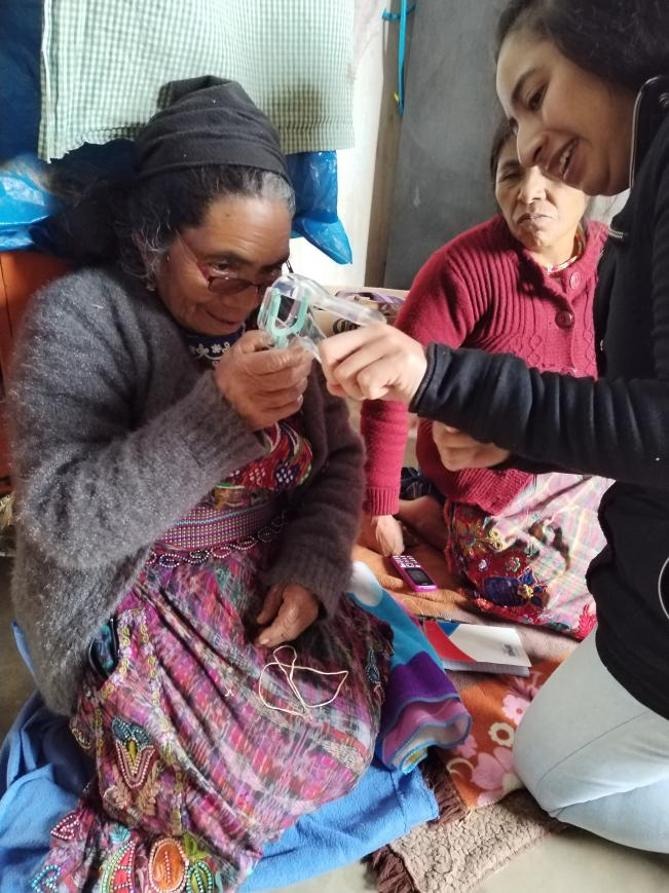
Our innovative home-based neonatal health program: Maya Health Principal Investigator and Pediatrician Dr. Anahí Venzor Strader and Dr. Esteban Castro Aragón, Maternal and Infant Health Medical Researcher, presented at a Harvard Medical School Alumni in Action talk on our innovative home-based neonatal health program in Indigenous communities of rural Guatemala. They demonstrated how this program is addressing critical challenges in neonatal care, overcoming barriers, and responding to the specific health needs of the communities we serve through home visits from neonatal technicians who speak patients’ Mayan languages and take the time to get to know the families and address their particular health concerns.
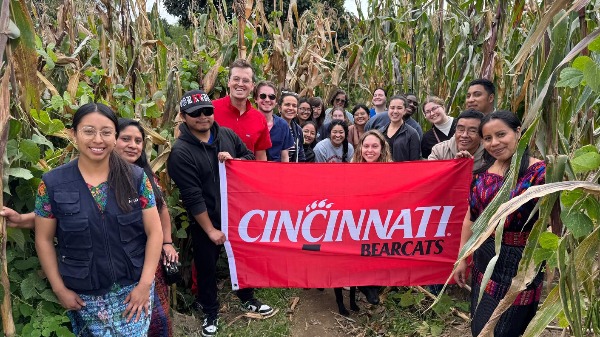
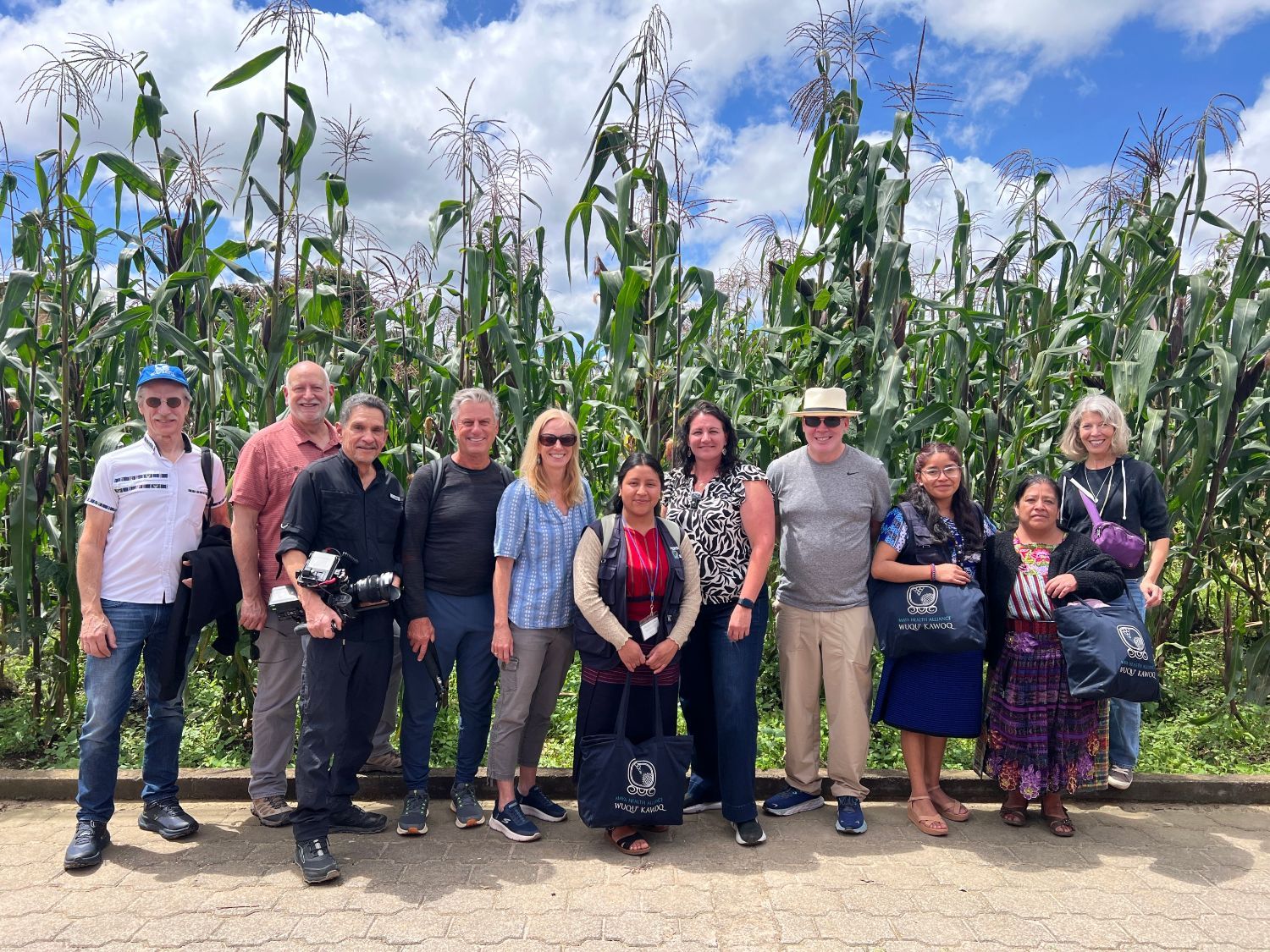
Lessons learned from long-term global health partnerships: Maya Health Alliance CEO Anne Kraemer and volunteers from the University of Cincinnati Department of Family and Community Medicine shared key lessons for building long-term partnerships to advance primary care in rural Guatemala in an article published in the Spring 2026 issue of The Ohio Family Physician (pp. 22–24). We are so grateful for our partners from Cincinnati, who come down five times a year to support our clinical care. |
| | Building connections for collaboration and lasting impact |
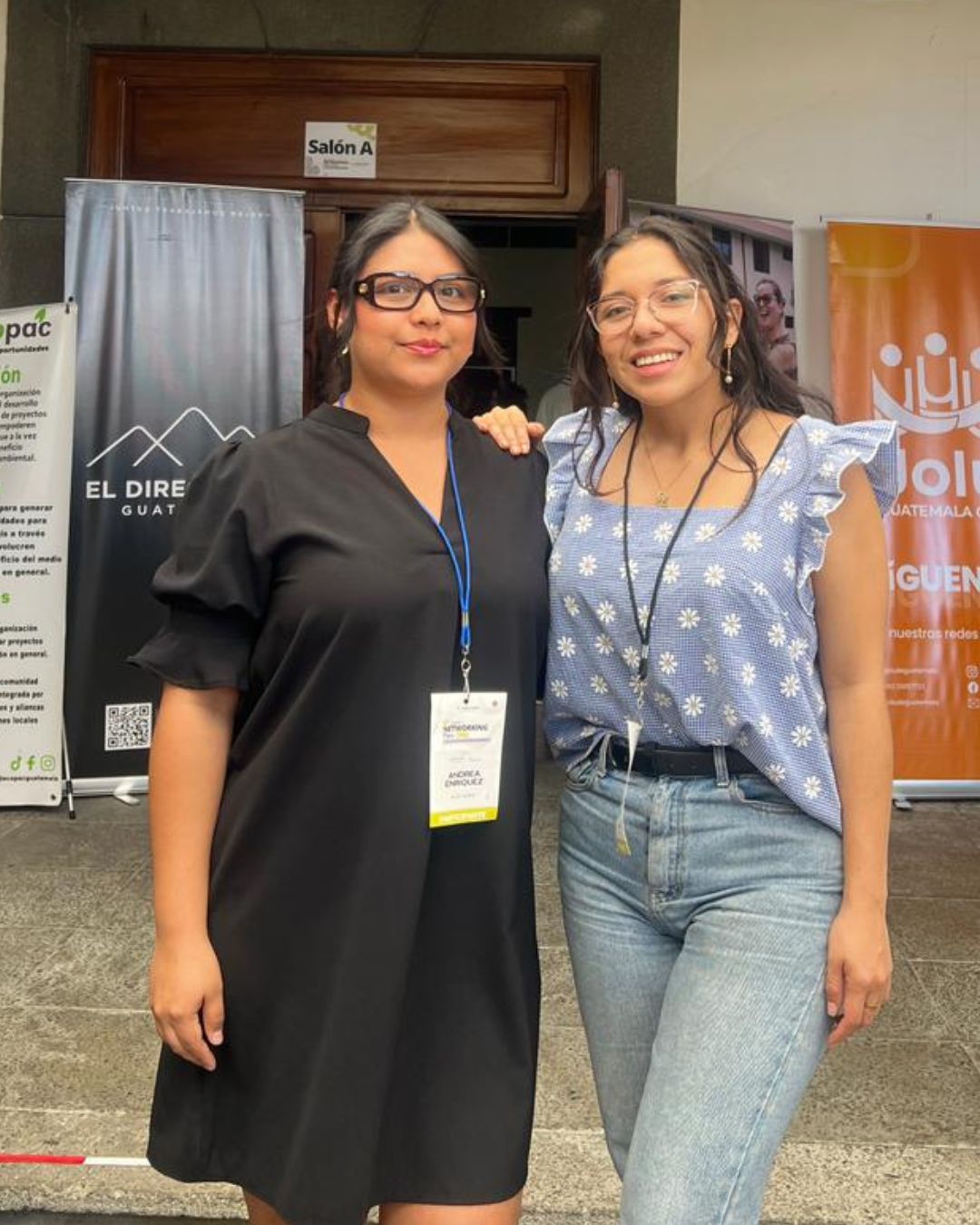
| Maya Health Chief of Staff Rubi Gaitán and Andrea Enríquez from our Communications and Development team attended the 10th Networking Event for NGOs in Antigua, hosted by El Directorio Guatemala. They connected with colleagues and participated in conferences and workshops focused on collaboration for impact, reflecting on the successes and challenges of civil society partnerships, and exploring the future of leadership and local systems. We’re committed to continuing to strengthen this network and working together to create lasting impact. |
|
|
| | Bringing child development support to caregivers’ phones: BebeApp will soon be on Play Store |
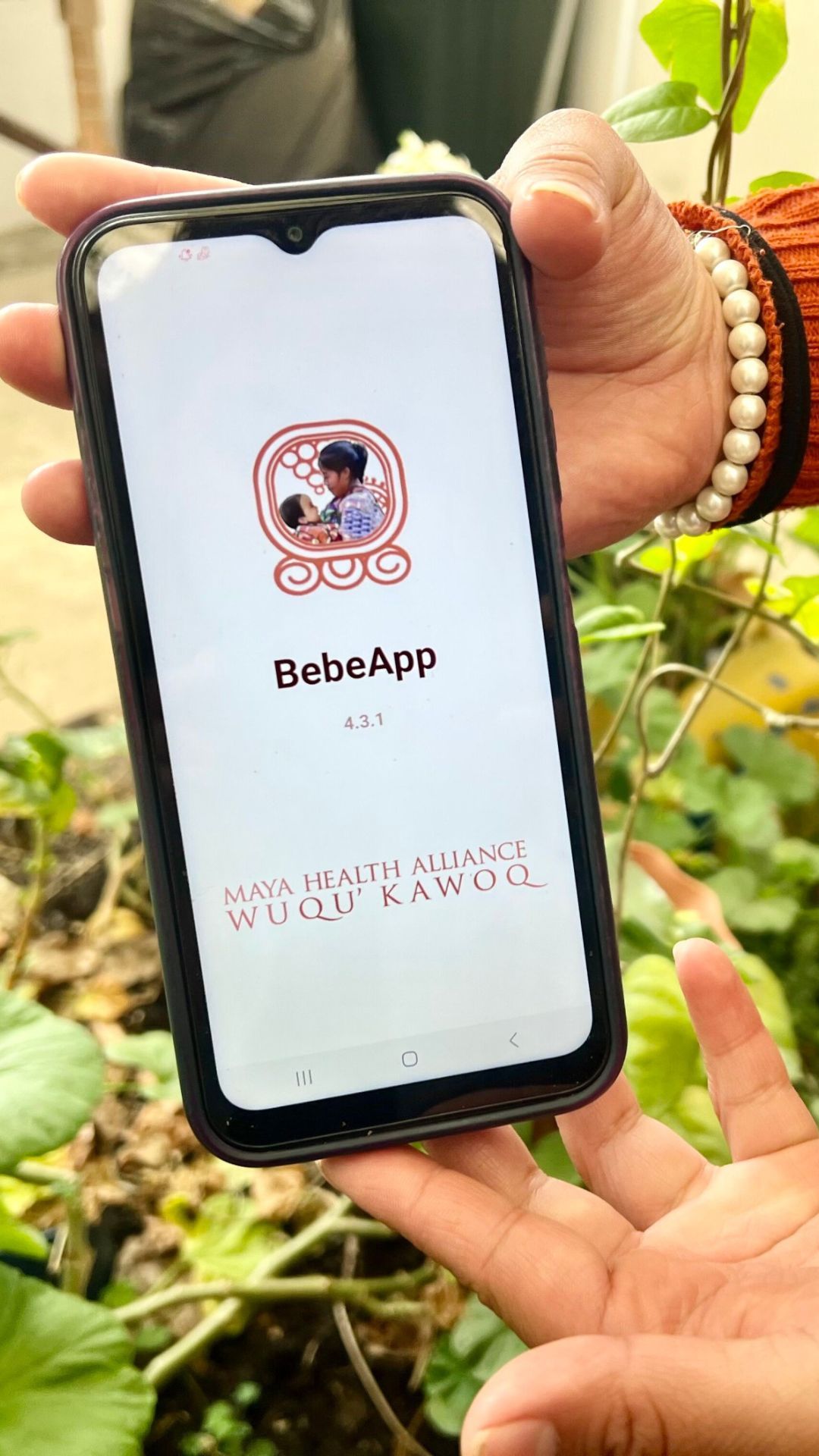
| BebeApp is a mobile application developed by our Center for Indigenous Health Research and our IT staff with the support of Children’s Hospital Los Angeles, University of Southern California, Brigham and Women’s Hospital, and Harvard Medical School. The app provides caregivers in rural communities with culturally adapted guidance on sleep, activity, and nutrition to support early childhood development. We are studying how families interact with the app to evaluate its effectiveness in improving development outcomes. After successful pilot testing with caregivers and clinicians, the project is now entering its next phase: preparing to launch BebeApp for free on the Google Play Store, following final internal testing and review. |
|
|
|
|
| | K’aslem: Addressing the double burden of malnutrition and obesity Our new research project, K’aslem (Life), will evaluate the implementation and effectiveness of an intervention designed to reduce the double burden in rural Guatemala of obesity among women before and after childbirth and malnutrition among their children. The study also aims to identify barriers and supports for implementing the intervention and to develop strategies that support broader scale-up. The study will include 766 pregnant women (20–28 weeks) and their children in Chimaltenango, who will be followed for approximately 18 months. Participants will be assigned to two groups: one receiving an intervention that includes food rations and an educational component, and another receiving the usual services provided by Guatemala’s Ministry of Health. Next steps include hiring project staff, conducting a pilot test, recruiting participants, and starting home visits and food distribution in May. |
| |
|
| | Sharing an inside look at our work in rural Guatemala: You can join our next Insight Trip The next Insight Trip will take place from October 31to November 4 this year. Join us for an immersive experience in rural Guatemala, meet patients, team members, and community leaders who make this work possible, and see firsthand how we are providing access to high-quality care in Indigenous communities. Click here to request more information! |
|
|
| |
|
| Getting ready for our Spring Campaign! Save the date: April 21 Our Spring Campaign launches on April 21, bringing our community together to support life-saving health services for women in rural Guatemala. Help us raise $15,000 to reach and screen 500 women for cervical cancer. Double your impact: Dedicated donors and advising physicians Dr. David and Dr. Nora Flood have generously offered to match all donations until we reach our goal of $15,000. |
|
|
| | | | Thank you so much for your ongoing support! |
| |
|
| | | Maya Health Alliance | Wuqu' Kawoq
PO Box 860943 | Minneapolis, Minnesota 55486-0943
513-393-9878 | [email protected] |
| | |
|
| |
|
|