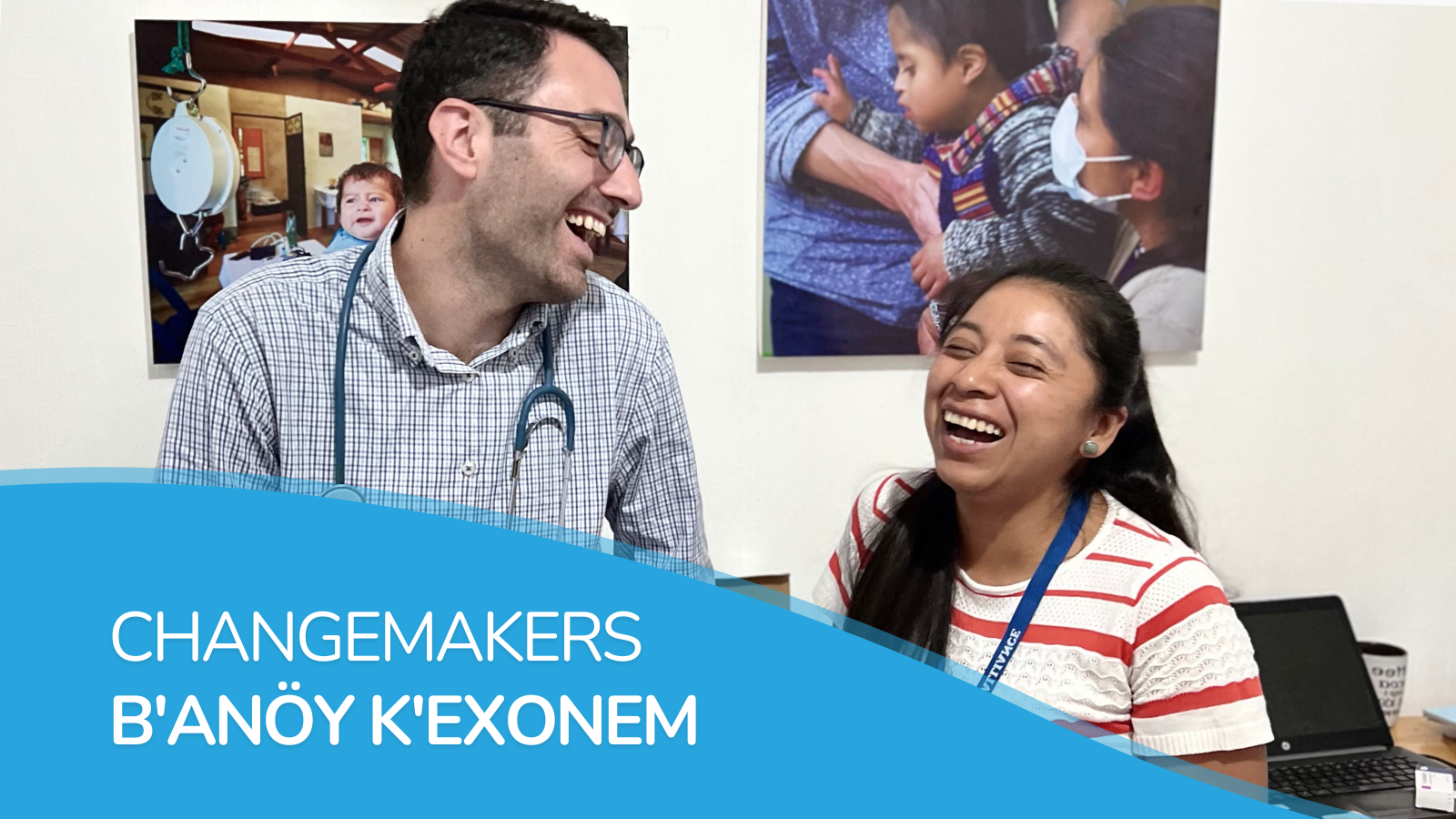
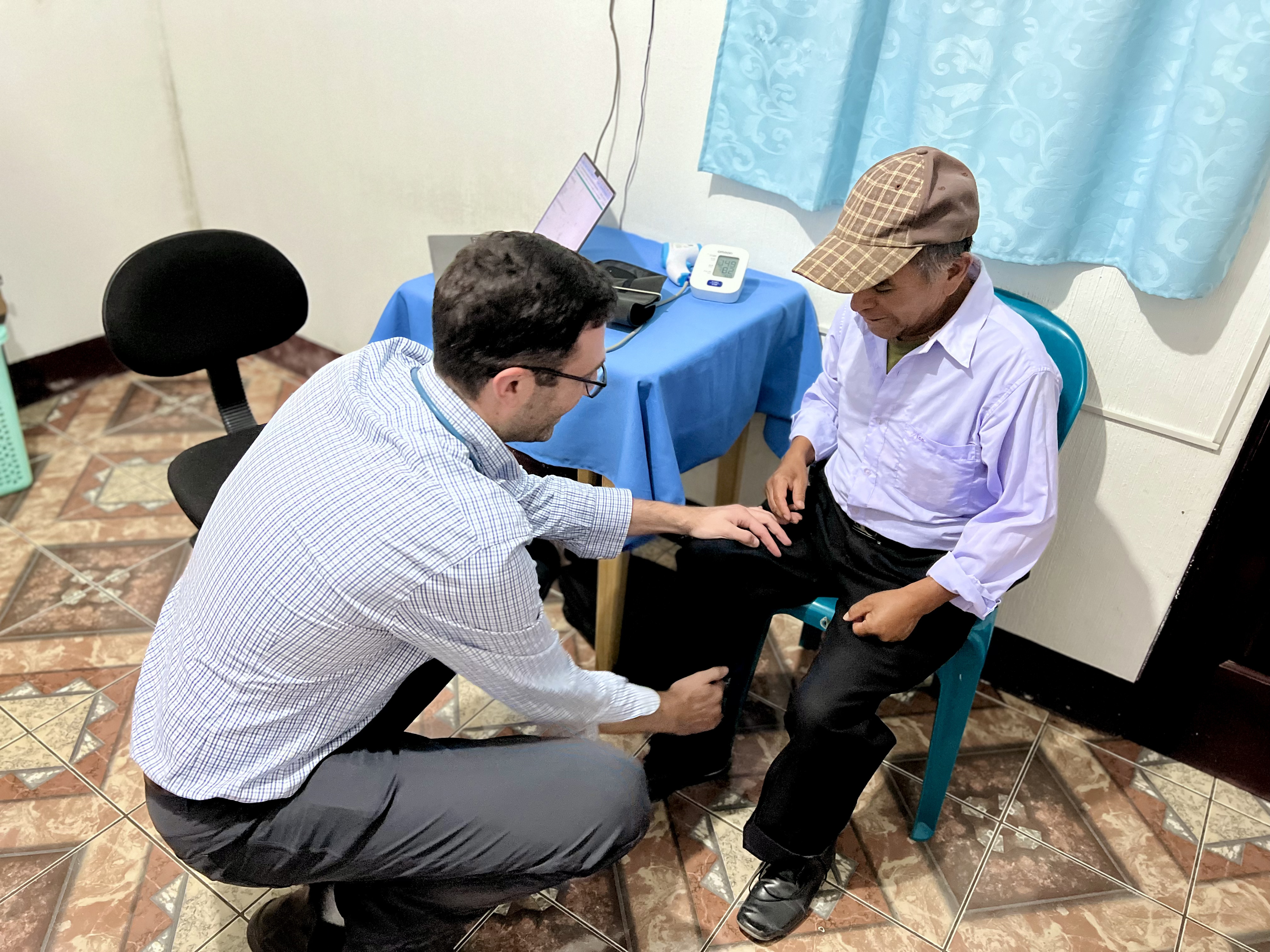
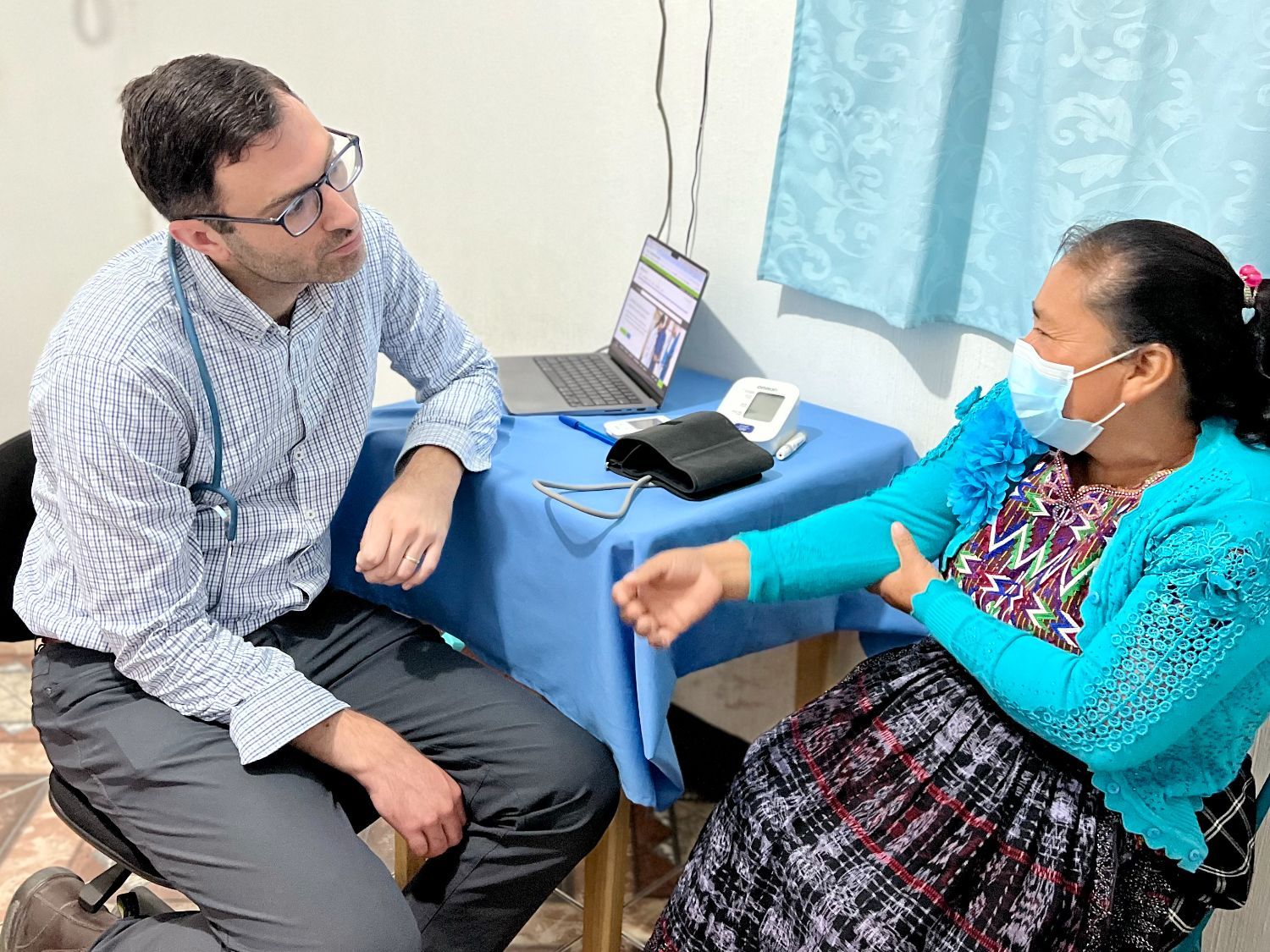
What is the current situation with diabetes care in Guatemala? DF: There are a lot of great diabetes specialists here but they tend to be clustered in Guatemala City. Once you get out of the capital area or Antigua area it's really almost impossible to get quality care for diabetes and related chronic diseases. So most patients in rural areas go untreated. In medicine, we have this phrase “the natural history of disease” that refers to what happens to a patient with a given disease if you don't do anything and you just watch it. And what we're experiencing in Guatemala is basically the natural history of these diseases, because there’s so little treatment. A person with diabetes who has good control of their glucose level, their sugar, their blood pressure, and has good checkups, adequate access to medicines and education, they can live a perfectly normal life. But in a place like this where you can't get access to those things, what you see is a lot of premature suffering. People who are in their thirties or forties whose kidneys fail, who go blind, who need a foot amputation because they get an infection. How is Wuqu' Kawoq addressing these gaps? DF: Our diabetes program is kind of a referral program. We accept the patients from the public health system who are very sick and we provide a lot of complicated care for diabetes. We have patients who've had strokes. We've had patients who have had foot amputations, and many other different kinds of complications. These patients do pretty well with us. We're very proud of their care. But it's a very small number, roughly 150 patients. In Guatemala, there are probably 500,000 patients with diabetes. My main research interest right now is trying to improve the Ministry of Health’s diabetes care. I do different kinds of studies to try to take the lessons we've learned over the last 10 years and put them into the health system. That’s the dream. One of the main lessons is using trained nurses and providing mentorship and supervision so that they can provide care in rural clinics where maybe there isn't a doctor. We have clinical protocols the nurses can follow. For 90% of the patients, they can do a great job. When they have problems, they know what's out of their scope and they have my phone number; they can call me if they need me. Another big lesson is developing systems so that you can make sure that the logistics and procurement of medicines is adequate, and that there are patient charts. They're really simple things. We meet patients where they are and help them figure out how to manage their conditions with diet and care. That's not how things normally work here; patients get yelled at a lot. They're made to feel bad very often. And that's why patients who are sick would prefer just to die at home. So I view our clinical work as a little bit of a laboratory where we can figure out what things work, how to do things that are really high quality, but maybe not so expensive, and to try to import those lessons into the Ministry of Health. What keeps you involved in the work? DF: The very high quality of services. We have the dream that we can deliver the same level of care in a little building in Chichimuch or in a home in Santiago as they can give at a Harvard hospital. I don't think we always succeed, but we certainly try. And sometimes we make miracles, like this guy Edwin. He’s 22, has diabetes, and lost his sight due to cataracts. We got him in to see specialists in Guatemala City and helped arrange for him to have surgery for a discounted cost that we covered. He just got his surgery last Saturday. And he can see now. He actually came by my house last Friday and my family and I are going to his village for lunch next week. He's got his whole life ahead of him! And then just how everybody at Wuqu’ Kawoq is so interested in indigenous culture and linguistically sensitive care. I find it really invigorating to be around that. The third thing is that many of my best friends are from the staff and, you know, I truly would trust them with my life. I think they also see that what we do is really special and they derive a lot of meaning from it, just like I do. |